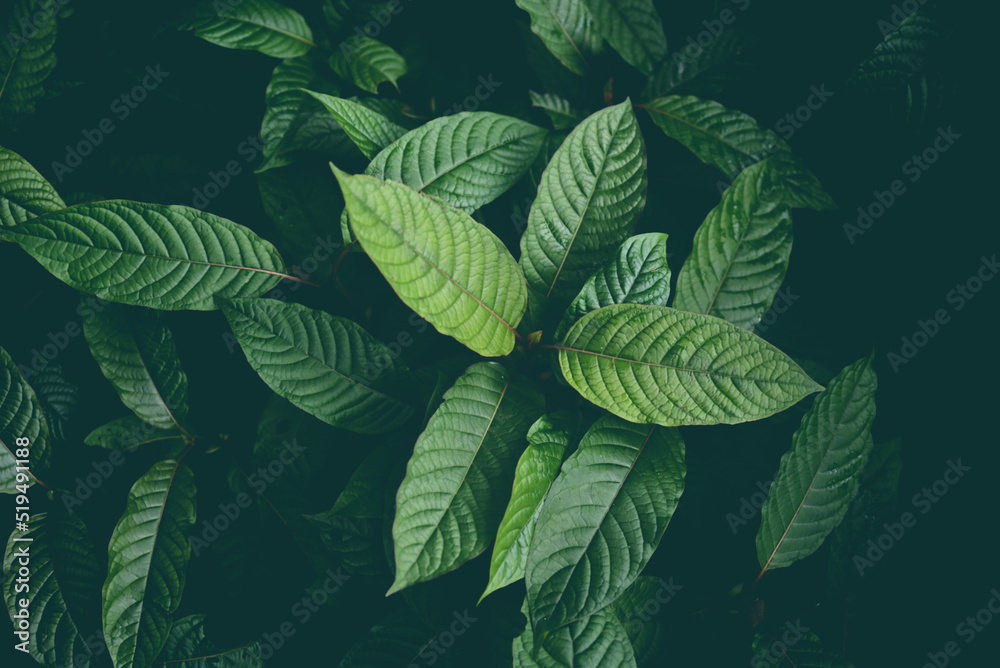
Kratom, scientifically known check here as Mitragyna speciosa, is a tropical evergreen tree native to Southeast Asia. It shares the same botanical family as the coffee plant, which explains some of its energizing properties.
While it has been used traditionally to combat fatigue among manual laborers, modern users turn to it for a variety of reasons, ranging from pain relief to mood enhancement. Its chemical profile is rich in alkaloids, specifically mitragynine, which is responsible for the majority of its effects.
The Three Main Types of Kratom Explained
Kratom is typically categorized by the color of the veins in the leaf at the time of harvest. The color of the vein indicates the chemical composition of the leaf, which dictates the final effect on the user.
Red Vein for Calm and Comfort
Red vein leaves are the most mature and are widely known for their calming properties. Users often report that red strains provide significant relief from body aches and help quiet a busy mind.
The Energizing White Strains
White vein varieties are often compared to coffee, providing a clean boost of energy without the jitters. Many users substitute their morning caffeine with a white strain to start the day with clarity and drive.
3. Green Vein Kratom
Green strains are often considered the most versatile, providing mild energy followed by a sense of calm. It provides a subtle boost in focus while keeping you relaxed and comfortable.
How to Use Kratom Safely and Effectively
The "Golden Rule" of Kratom is simple: Less is more. Beginners should always start low, perhaps with just half a teaspoon, to see how their body reacts.
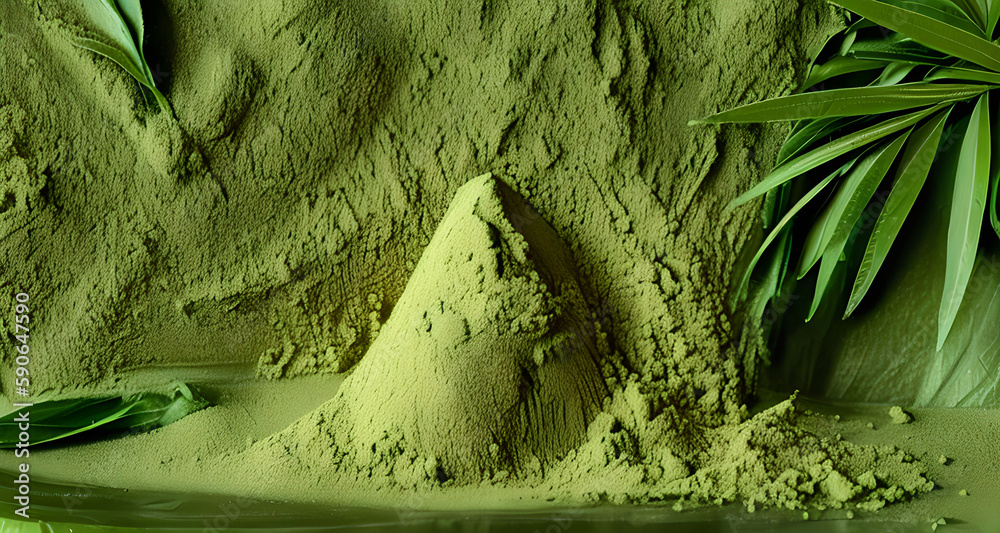
Side effects like headaches or nausea are often just signs of dehydration, so keep your water intake high. Safety starts with the source; never buy gas station kratom that hasn't been tested for heavy metals or contaminants.
In conclusion, Mitragyna speciosa is a powerful natural tool that requires respect and knowledge. Education is your best ally in navigating the botanical world safely.